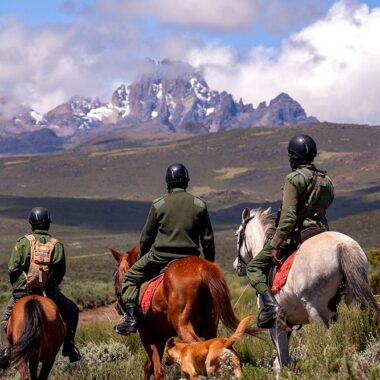
There’s a constant shift between science, strategy, and frontline response that defines the Endangered Wildlife Trust (EWT). For over 50 years, they’ve worked across southern and East Africa to protect species and ecosystems, but also to tackle the deeper, more complex drivers of biodiversity loss. Their approach is deliberately broad because it has to be. Wildlife doesn’t exist in isolation, and neither can conservation.
Eleanor Momberg, Communications Manager, describes it as an effort to secure not just species, but ecosystems, communities, and the economies that connect them. It’s why the organisation’s work stretches from vultures and cranes to carnivores and freshwater habitats, and why partnerships—with landowners, governments, and local communities—sit at the centre of everything they do.
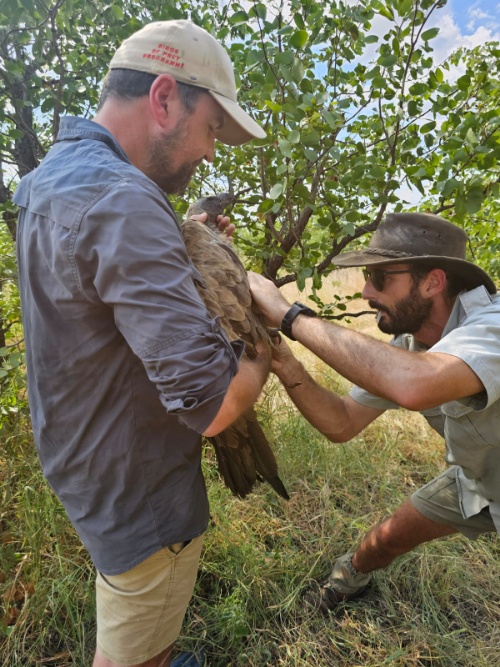
That idea of connection comes up again and again when you speak to the people on the ground. For Lindy Thompson, who coordinates research and monitoring in the Birds of Prey Unit, conservation only works when it’s inclusive. It’s about using evidence to guide decisions, but also recognising the responsibility that comes with limited resources, making sure every project is carefully planned, and every intervention counts. Her work sits at the intersection of field science and collaboration, whether it’s trapping vultures for disease research or helping develop monitoring protocols that can be used across borders.
However, the science alone isn’t enough, not when threats are so immediate. In recent years, one of the most urgent challenges has been the rise in wildlife poisoning, particularly affecting vultures. These events can unfold fast, wiping out entire groups of birds in a matter of hours. The response has had to evolve just as quickly. Using GPS tracking data, the EWT has developed systems that can detect unusual vulture movements, often the first sign that something is wrong.
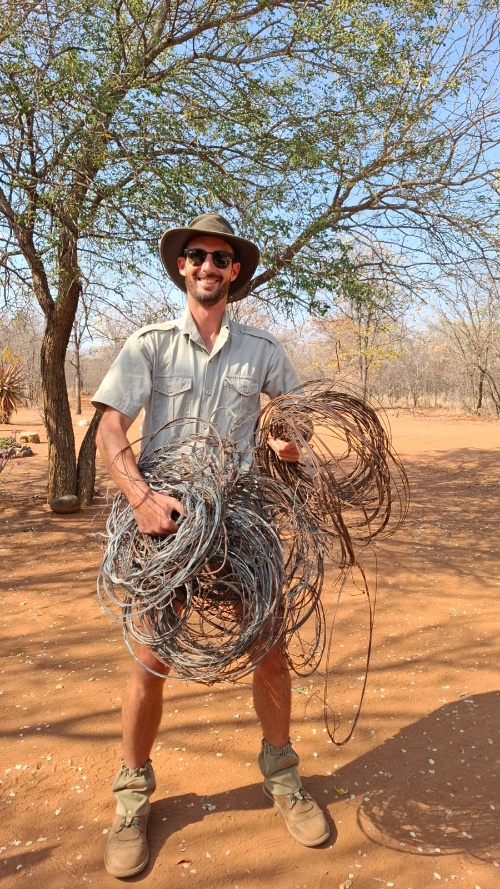
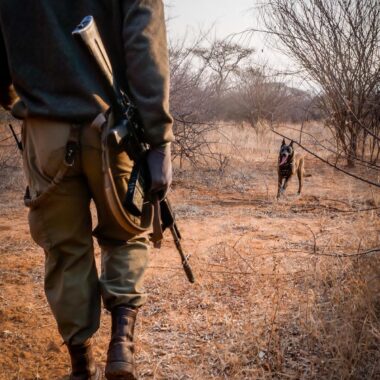
Kyle Walker, a poison and snare response Field Officer, has seen that reality up close. His work is reactive by nature, and he responds to incidents as they happen, often with little warning. He speaks candidly about the emotional toll, the regular exposure to injured or dead animals, and the unpredictability of always being on standby, but also points to moments that make it worthwhile.
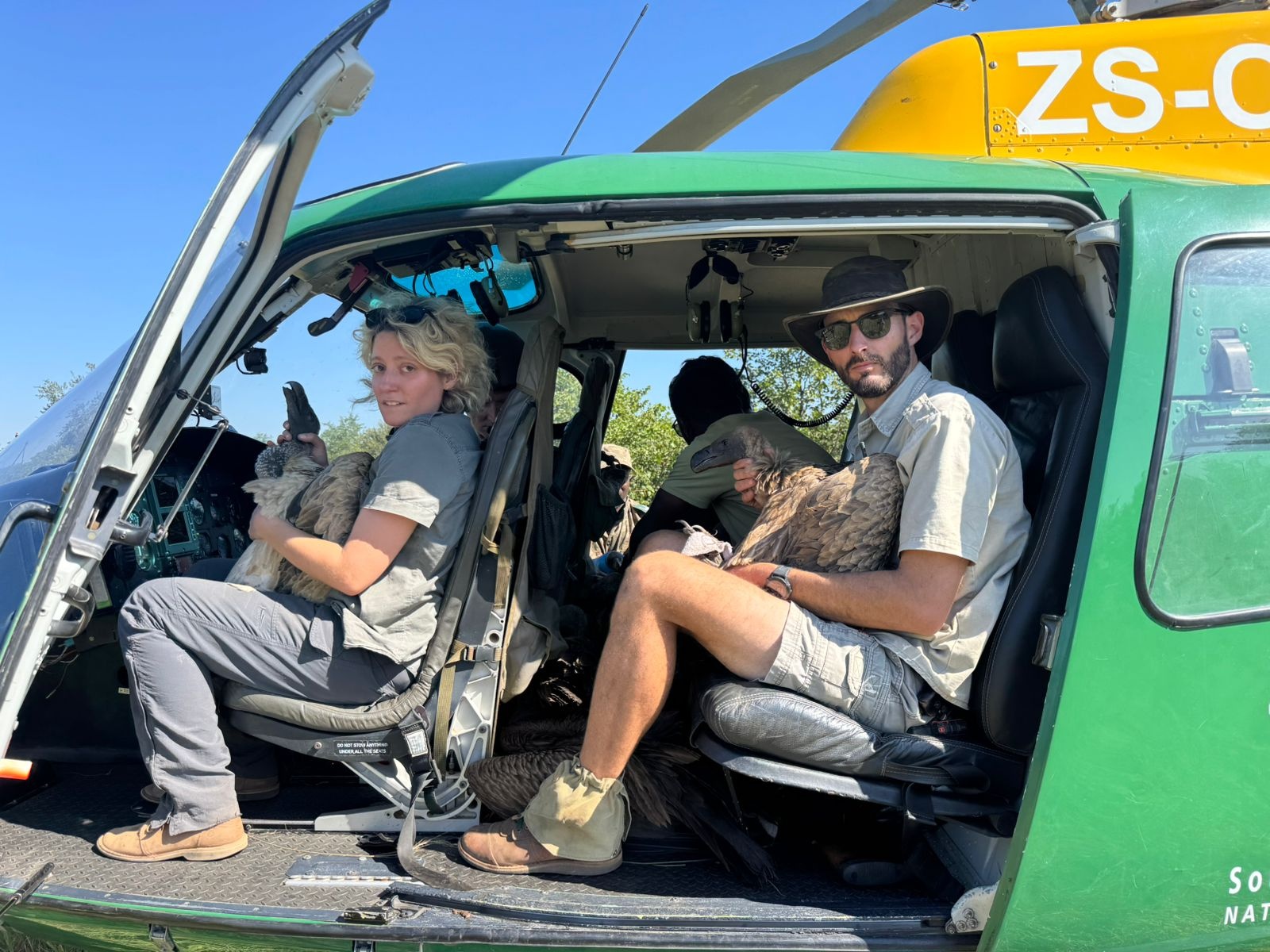
One such moment came during a major poisoning incident in Limpopo. By the time the team reached the site, over a hundred vultures had already died, but 81 were still alive. What followed was an intense, coordinated effort with teams on the ground, veterinarians, rehabilitation centres and volunteers working around the clock to stabilise and treat the birds. Many of them survived. Weeks later, they were released back into the wild.
Lindy remembers arriving at the rehabilitation centre and seeing dozens of people already there, working together. Volunteers staying overnight, checking birds every few hours. Community members were bringing food and supplies. This was a collective effort, built on trust and shared purpose.
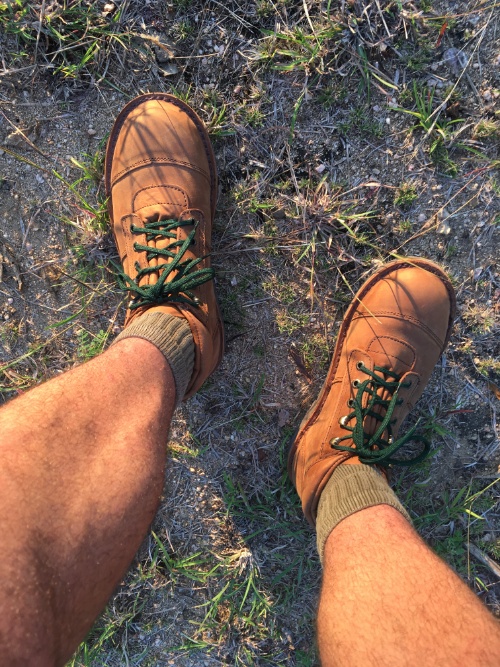
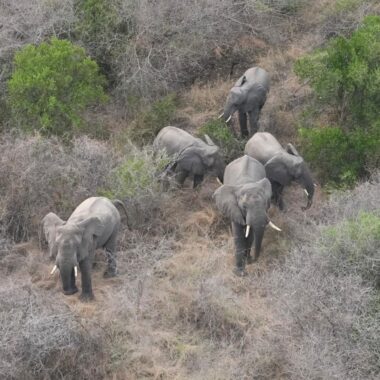
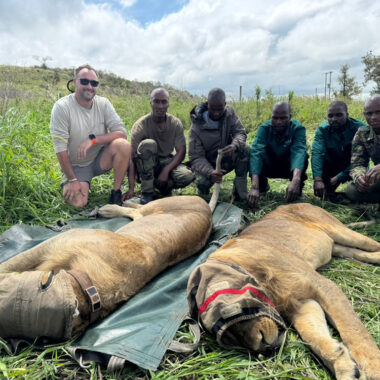
That spirit of collective effort is part of the EWT’s work with carnivores, too. For Cole du Plessis, who manages projects in the Carnivore Conservation Unit, the biggest challenge facing species like African Wild Dogs and lions isn’t just poaching or disease. It’s space. As landscapes become more fragmented, these animals lose the ability to move, maintain healthy populations and survive long-term. The response involves restoring connectivity between habitats, working with landowners to reduce conflict, and building systems that allow wildlife and people to coexist.
The reintroduction of African Wild Dogs into Gorongosa National Park in Mozambique is one example. After being wiped out during the civil war, the species has been successfully re-established through a long-term, collaborative effort. Today, the population has grown significantly, a rare piece of good news in a landscape where recovery is never guaranteed.
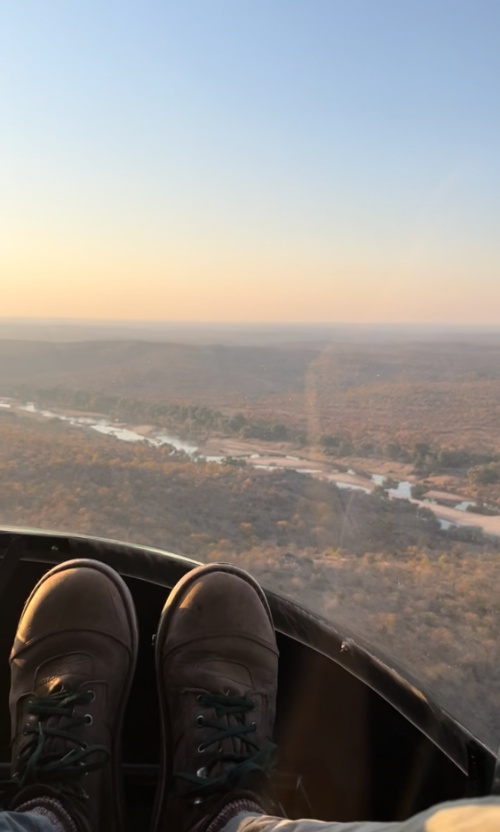
Ronja Haring, a field officer working with Wild Dogs, describes days that are shaped entirely by the animals themselves. Tracking movements, responding to changes and adjusting plans as needed. With no fixed routine, you constantly need to adapt. Some days are spent locating den sites and monitoring pups, others are interrupted by snaring incidents or conflict situations that demand immediate attention.
The terrain doesn’t make life easier. It’s remote, rugged, and often unforgiving. Vehicles break down, roads disappear, and thorn trees leave their mark, but there’s a sense that this is simply part of the job—something you learn to navigate, both physically and mentally.
What’s harder to navigate, perhaps, is the human side of conservation.

Much of the EWT’s work takes place in shared landscapes, where wildlife and people live side by side. Building trust in these spaces takes time. It requires consistency, transparency, and a willingness to listen. It also requires acknowledging that conservation decisions can have real consequences for the people involved. Ronja puts it simply: showing up once isn’t enough. You have to keep showing up. Over time, that consistency builds relationships, and those relationships make everything else possible.
Looking ahead, there’s a sense of optimism. The organisation is moving towards a more integrated approach, bringing together expertise from across its different units to work at a larger, landscape scale. There’s a focus on collaboration, on sharing knowledge, on building capacity in new areas. For Lindy, that includes mentoring the next generation, bringing in interns, passing on skills, and ensuring that the work continues long after the current teams have moved on, because ultimately, that’s what this is about: building something that lasts.
Cheers,
The Jim Green Team
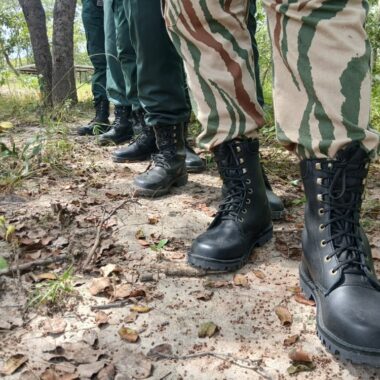
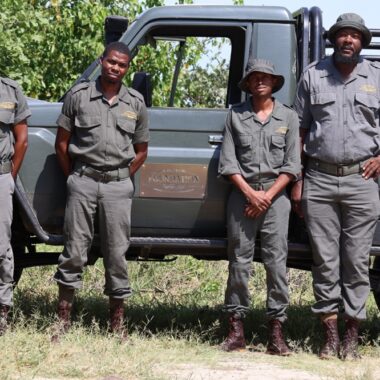
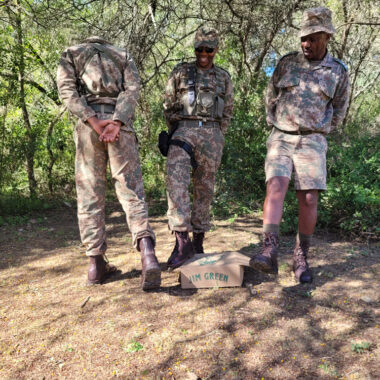
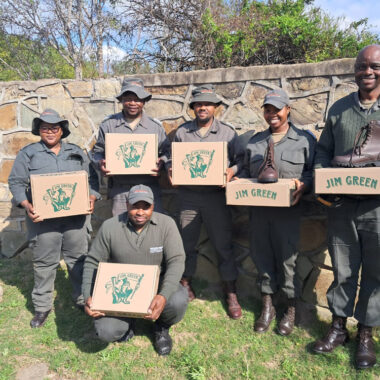
Through our Boots for Rangers initiative, run in partnership with the Game Rangers Association of Africa, we donate one pair of boots to a ranger for every ten pairs sold from our Ranger range. These boots are now supporting conservation teams at sites across Africa, with 8691 pairs already on the ground. As of 14/05/2026