Some conservation work happens in stillness. Think tracking footprints, watching waterholes, and lots of waiting. And some of it moves fast, with helicopters overhead, teams on the ground, and, at the centre of it all, a two-ton animal waking up inside a crate. At Ezemvelo KZN Wildlife, both are part of the job.
Within the organisation, the Game Capture Unit plays a highly specialised role of physically managing wildlife across KwaZulu-Natal’s protected areas and beyond. That means moving animals between reserves, responding to escapes, treating injured wildlife, and supporting conservation efforts across southern Africa.
“We’re basically the guys that carry out the physical conservation work,” explains JP van Heerden, a Game Capture Officer who has been with the unit since 2010. “Moving animals from point A to point B, or responding to situations where intervention is needed.”
“Every operation is different,” adds Game Capture Unit Manager Dumisane Zwane. “You have to be ready for anything—the terrain, the animal, the situation. There’s no standard day.”
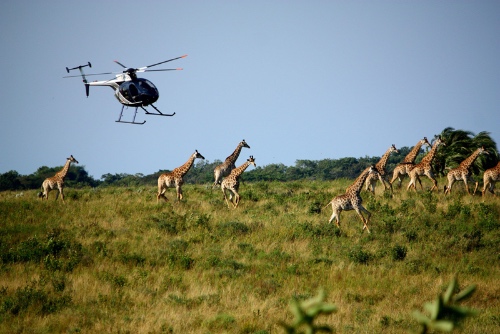
The unit is based in Hluhluwe–iMfolozi Park, a reserve with a deep conservation legacy. In the early 20th century, this was the last stronghold of the southern white rhino. By the 1970s, after decades of protection, populations had recovered enough to begin one of the most significant conservation interventions in Africa: translocating rhinos to other reserves. “Many of the founder populations across South Africa and even beyond came from here,” van Heerden says. “That work started decades ago, and it’s something the unit is still doing today.”
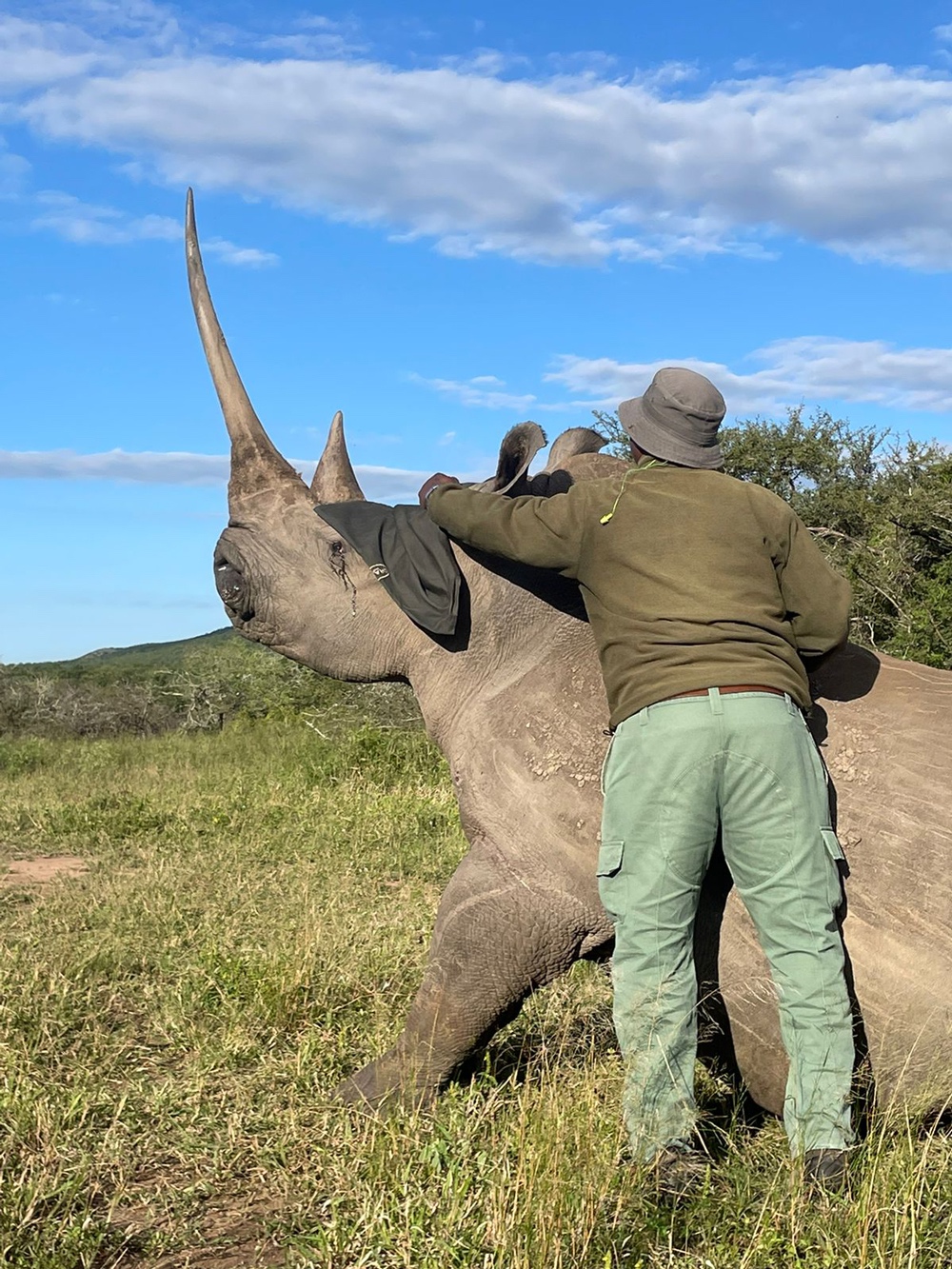
So what does it take to move a rhino? A rhino capture is a precise, coordinated operation that goes like this: A veterinarian darts the animal from a helicopter, using immobilising drugs to bring it down safely. Once the rhino is on the ground, a team of six to eight moves in quickly, each with a defined role. Vitals are monitored, and any necessary samples are taken. From there, the process shifts from sedation to relocation. A specialised truck arrives with a crate. The rhino is partially woken and guided inside before it’s transported (sometimes over distances of up to 1,000km) to a new reserve. It’s a surreal moment: a two-ton animal, sedated in the bush, waking up hours later inside a crate, en route to a completely new landscape.
“It’s become a very refined process over the years,” van Heerden explains. “With the right techniques and planning, the animals stay calm and adapt well to their new environments.”
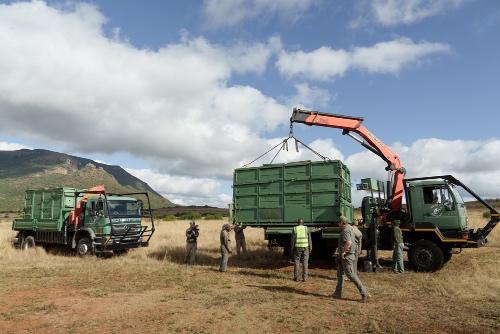
Behind the scenes, the logistics are just as critical. Permits must be secured, and the receiving reserve must be assessed to ensure it can support the animal. Every move is designed to maximise the chances of success.
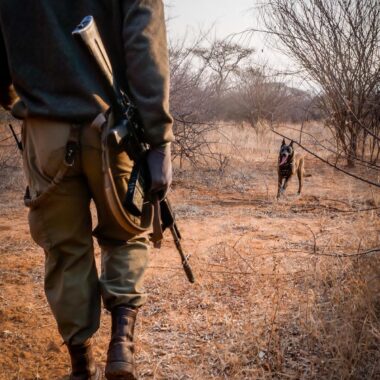
While translocations remain a cornerstone of the unit’s work, the broader conservation landscape has become more complex. Rhino poaching continues to shape operations, requiring constant adaptation. Dehorning programmes, canine units, drone surveillance, and increased ranger presence all form part of the response. “You can’t let your guard down,” van Heerden says. “Even when things seem quiet, you know the threat is still there.”
At the same time, financial constraints are tightening, and the work is becoming harder to sustain. “We’ve had significant budget cuts over the past 15 years,” he explains. “With inflation, the resources we have now are a fraction of what they used to be, but the work hasn’t changed.”
That gap is increasingly filled through partnerships with NGOs and external support, helping to fund the equipment and logistics of each operation.
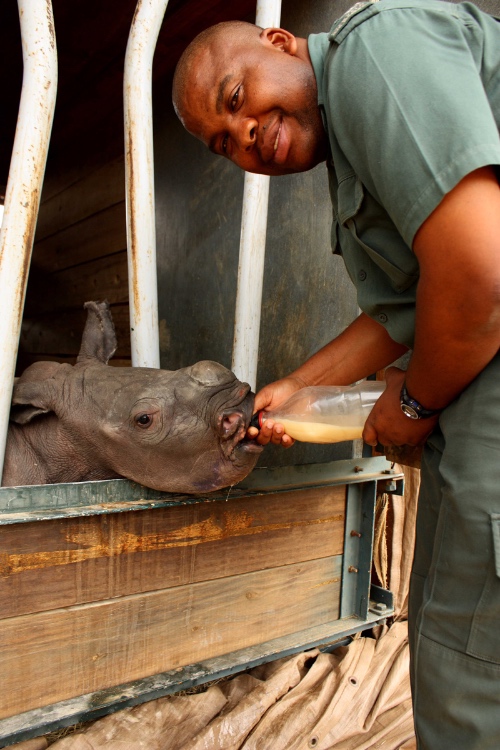
Beyond the boundaries of protected areas, another challenge is growing: the proximity between people and wildlife. As human populations expand around reserves, encounters become more frequent. Animals move beyond fences, and communities live closer to risk. The Game Capture Unit often finds itself at the intersection. “If animals like cheetah or wild dog move out of a reserve, we’re called in to capture and return them,” van Heerden says. “It’s about protecting both the animal and the community.”
Alongside this, Ezemvelo has built a broader framework for community engagement. A dedicated Community Conservation Unit works with neighbouring communities on education, conflict mitigation, and compensation processes where livestock losses occur. Local boards, composed of community representatives, are also involved in reserve decision-making, fostering a more inclusive approach to conservation.
One recent incident reflects how far that approach has come. After a cheetah escaped into a nearby community and killed two goats, the landowner chose not to harm the animal. Instead, he safeguarded it until capture teams arrived. The wider community followed suit, despite the losses.
It’s a small moment, but a significant one, evidence of growing trust and a willingness to coexist.
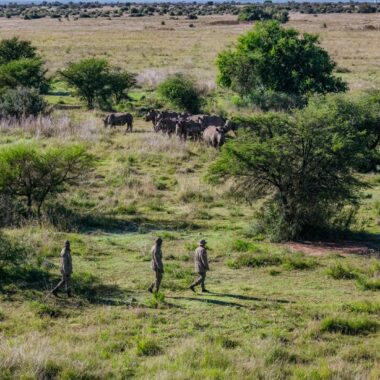
For the Game Capture Unit, the rhythm of work is about being responsive. A call comes in to help with an injured animal, a fence break, or a predator outside a reserve, and a team is mobilised. Depending on the situation, that might mean deploying by helicopter, tracking on foot, or coordinating vehicles and veterinary support across long distances. Each operation is different, but all of them rely on speed, precision, and experience.
“You spend a lot of time out in the bush,” van Heerden says. “And the more time you spend out there, the more you understand it.”
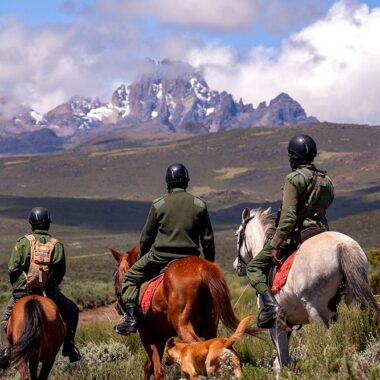
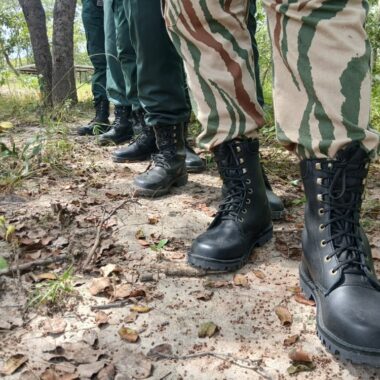
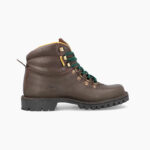
Terrain varies widely across KwaZulu-Natal. Rangers might move through sandy coastal zones one day, dense savannah the next, or steep, rocky sections of the Drakensberg. “You’re often walking or running over uneven ground,” he explains. “Good footwear is essential to protect your feet and keep you going.”
It’s a small detail in a job defined by big moments, but in a unit built around movement (of animals, of teams, of entire ecosystems), it matters. Behind every successful translocation, every animal returned, every crisis averted, there’s a team on the ground making it happen.
Cheers,
The Jim Green Team
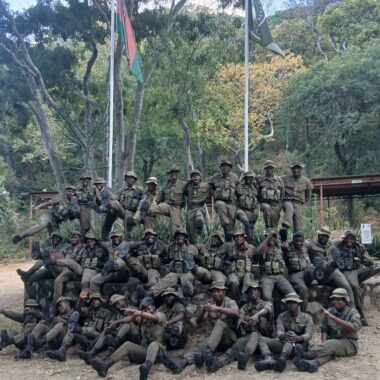
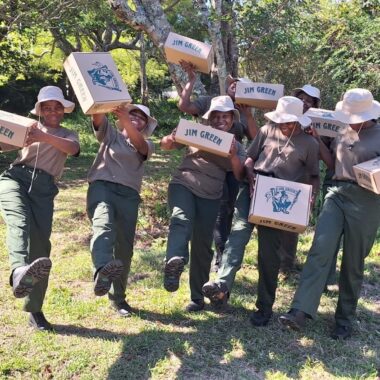
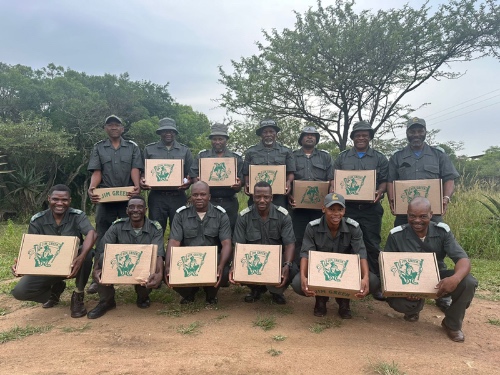
Through our Boots for Rangers initiative, run in partnership with the Game Rangers Association of Africa, we donate one pair of boots to a ranger for every ten pairs sold from our Ranger range. These boots are now supporting conservation teams at sites across Africa, with over 6,000 pairs already on the ground.