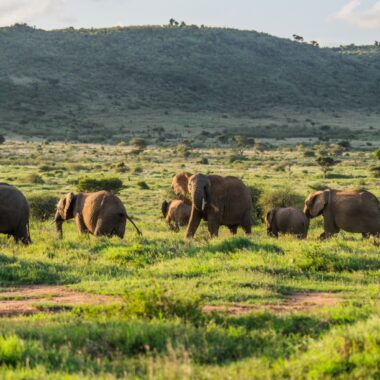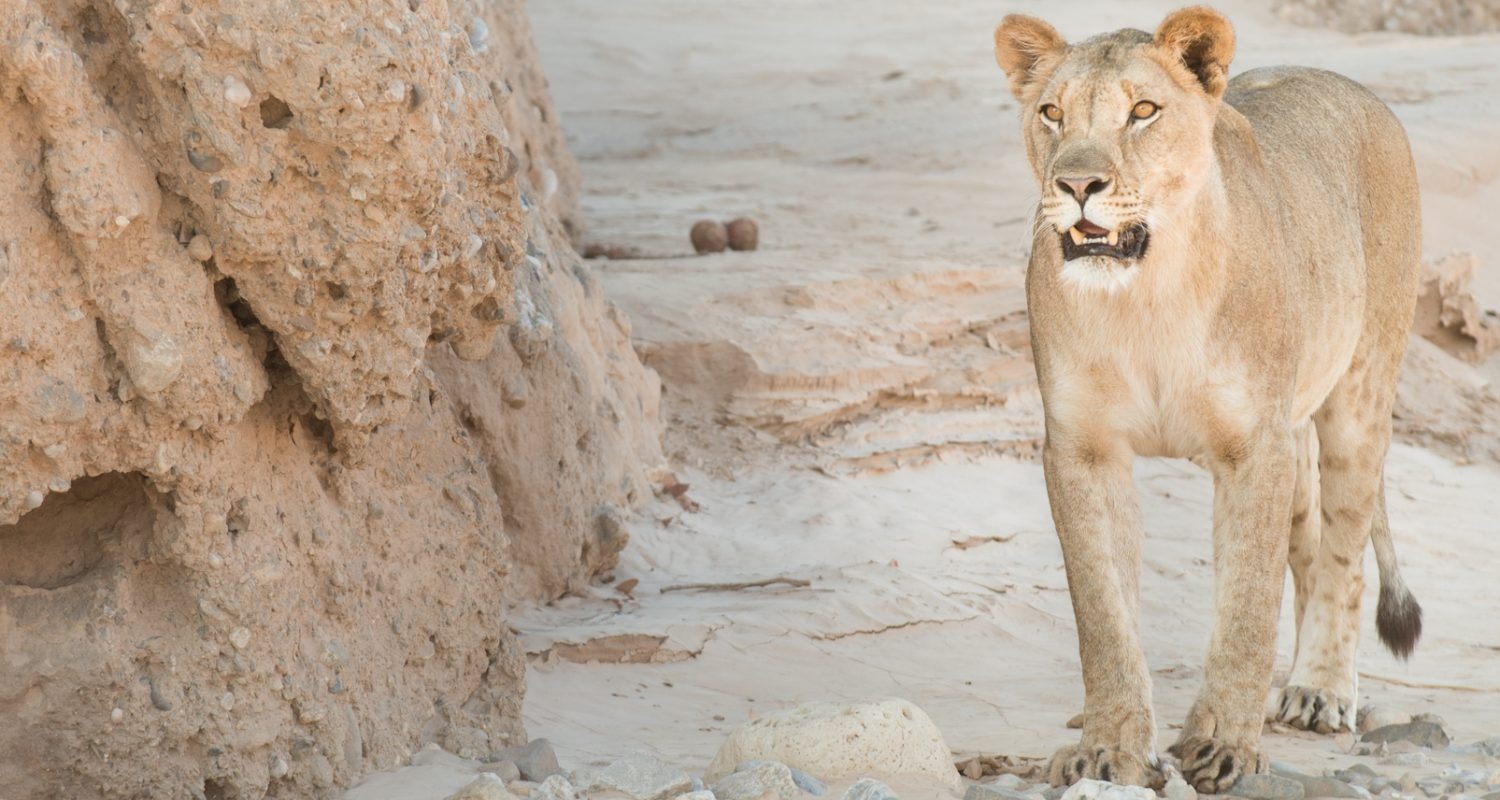
Namibia’s desert-adapted lions live differently from almost every other lion on Earth. They live in a world of mountains, dry riverbeds, and gravel plains.
Only around 60 adults roam the 40,000 square kilometres of northwestern Namibia that the Lion Rangers programme covers. Their prides are smaller than those found in East Africa, but their home ranges are among the largest of any lion population on the continent. Finding enough prey means travelling vast distances, often through the same landscape where people depend on cattle and goats to make a living.
“There’s an expression in Namibia that says conservation starts after breakfast,” says Mathilde Brassine, coordinator of Lion Rangers. “Nobody is going to care about the greater picture unless they are safe themselves.”
When a lion enters a traditional kraal, it usually doesn’t just kill one animal. Surrounded by livestock that can’t escape, it may kill dozens in a single night. For many families, that’s the equivalent of losing their entire savings account. Compensation schemes exist, but rarely reflect the true value of what has been lost and can take months to be paid out.
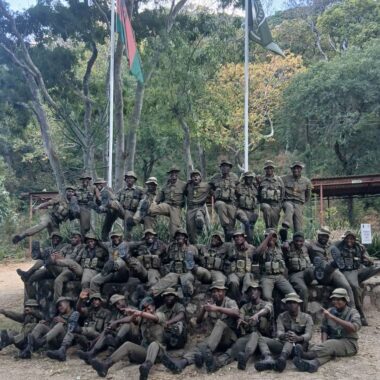
Lion Rangers works across 11 communal conservancies. The programme helps communities reduce conflict while keeping one of Africa’s most remarkable lion populations on the landscape. Every ranger is selected and employed by their own conservancy, and every one of them understands the pressures their neighbours face because they’re living them too. “They’re farmers themselves,” says Mathilde. “They know what their communities are going through.”
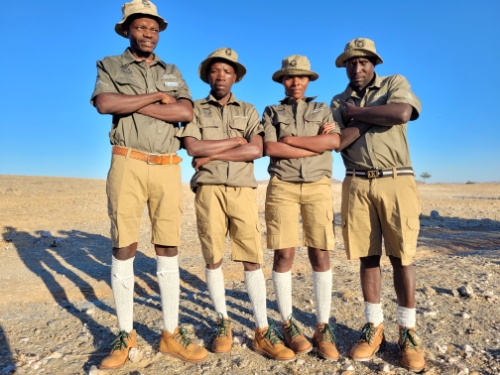
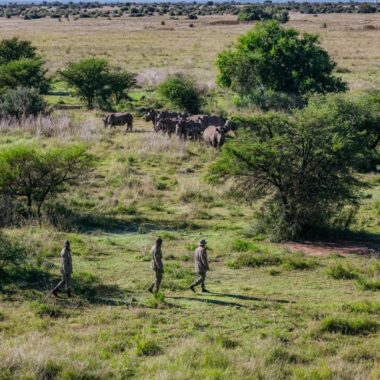
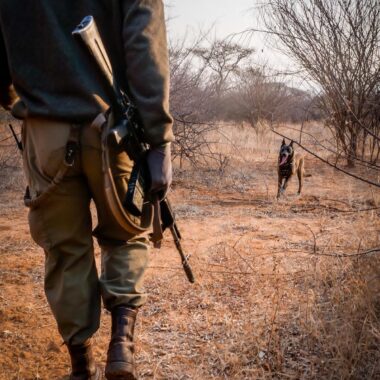
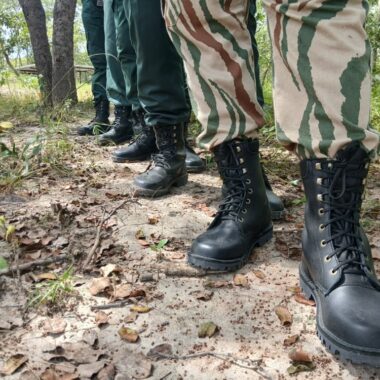
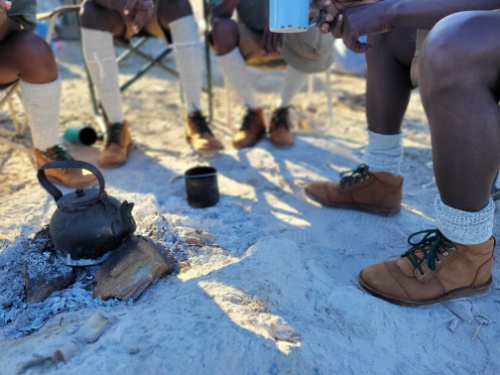
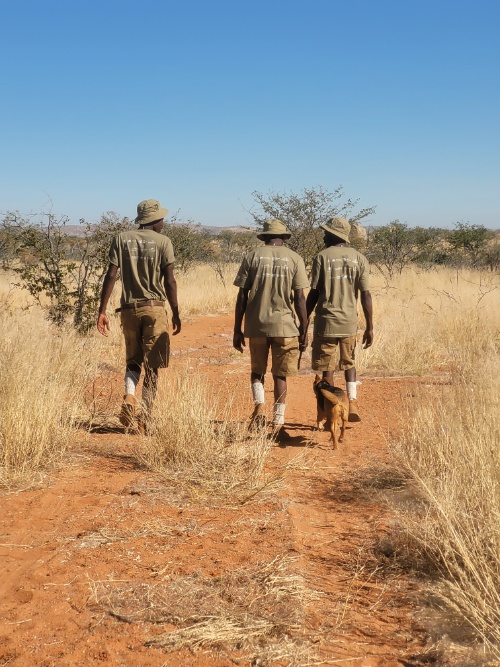
The rangers spend a month at a time in the field, with little more than tents, bedrolls, backpacks and their boots. Working in teams of three, they patrol on foot through conflict hotspots, reading tracks to work out which lions are moving through an area before sharing that information with nearby farmers. Conversations that can be as important as tracking itself. They also gather important information on prey species availability, water points, livestock moving and the quality of kraals in the area.
Rangers advise farmers on where lions have been seen, when to keep livestock close to herders, how to strengthen night-time protection and when to avoid grazing in higher-risk areas. They also spend time listening. “We found that tolerance has really increased,” says Mathilde. “The farmers finally feel like someone’s paying attention to their struggles.”
Technology has changed the way the programme works. Forty-six lions now wear GPS satellite collars that alert rangers when animals move into predefined conflict zones, giving communities more time to prepare. It’s the highest proportion of collared lions within any studied population in Africa.
“We’ve always made it clear: don’t depend on technology,” says Mathilde. “The only tool the rangers can’t do without is their boots on the ground.”
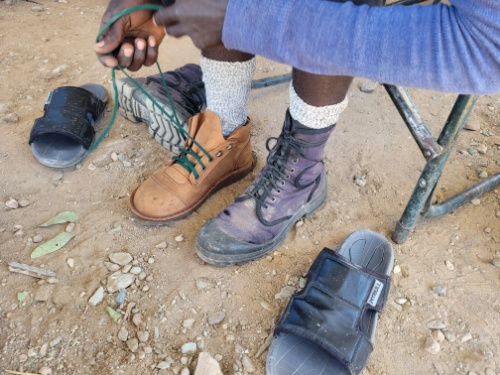
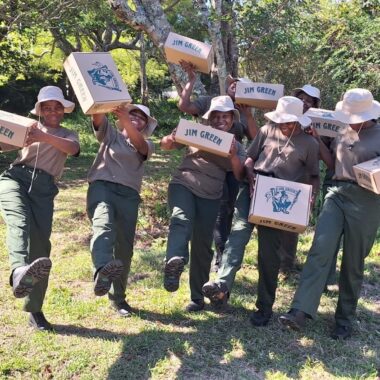
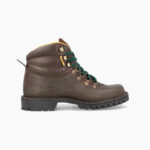
The rangers cover enormous distances across rocky ground, so good footwear quickly became a priority. For years they wore lightweight canvas boots that were comfortable but wore out quickly, requiring replacement several times a year. Initially, when the programme switched to Jim Green boots, the rangers’ reaction was mixed. “They said the boots were too hard. That they hurt their toes,” Mathilde laughs. However, only a few months later, with the boots now broken in, the complaints had disappeared, and they were singing a very different tune: “Now they’re saying they’re much more flexible. They last much longer than other boots, and they’re really happy with them.”
Many of the rangers have been wearing the same pair for around two years. Through the Boots for Rangers Initiative, they’ll now each receive another donated pair, giving them dependable footwear for years to come.
The biggest challenge facing Namibia’s desert-adapted lions remains conflict with farmers. Years of drought have reduced wild prey, pushing lions closer to livestock, while many farming families are still rebuilding their own herds after difficult drought seasons. Yet Mathilde says one response comes up again and again when she visits communities. “They still want lions in the area,” she says. “They just don’t want to have to suffer the high losses.”
This willingness to share the landscape is what gives her confidence. “There will never be zero conflict,” she says. “But as long as we keep it below a certain threshold, which is tolerable to farmers, to me, that is success.”
Cheers,
The Jim Green Team
Through our Boots for Rangers initiative, run in partnership with the Game Rangers Association of Africa, we donate one pair of boots to a ranger for every ten pairs sold from our Ranger range. These boots support conservation teams at sites across Africa, with over 10 000 pairs already on the ground. As of 01/08/2026