Not every game reserve is built around visitors.
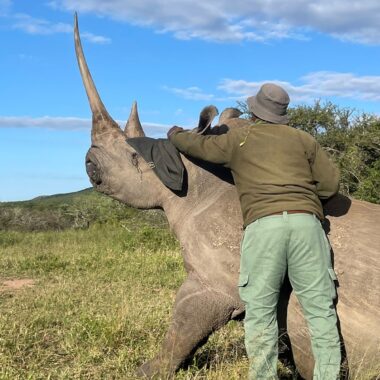
At UmPhafa Nature Reserve in KwaZulu-Natal, luxury lodges and game drives aren’t waiting at sunset. Instead, it’s a space where students and researchers spend months in the field, and rangers patrol a landscape that’s being restored after years of farming.
Owned by the former owners of Colchester Zoo, UmPhafa was established as a place where conservation, education and research come first. The 6,000-hectare reserve has welcomed interns since 2008, giving aspiring conservationists the chance to experience what running a reserve entails.
Since arriving in 2021, reserve managers Amanda Warren and Anthony Smith have helped guide UmPhafa through its formal declaration as a protected nature reserve while continuing the long process of restoring the landscape. Alien vegetation is gradually being removed, bush encroachment is being managed, and new species are being introduced where they once occurred naturally. “It’s an ongoing job,” Amanda says. “We’ll get there. Probably not in my lifetime.”
Cheetahs were introduced to the reserve for the first time in 2024. Buffalo have been brought in to help improve vegetation management. The reserve has also become an important holding facility for African wild dogs, providing a temporary home where packs can settle before being translocated to protected areas elsewhere on the continent. One recent pack travelled all the way to Malawi.
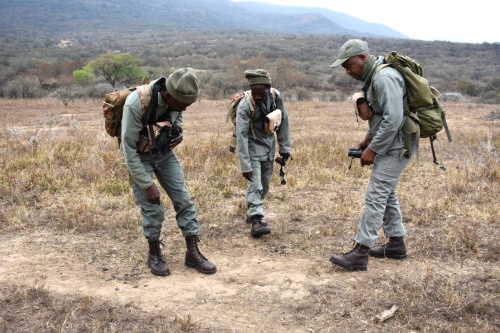
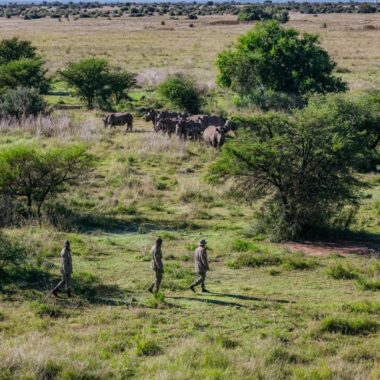
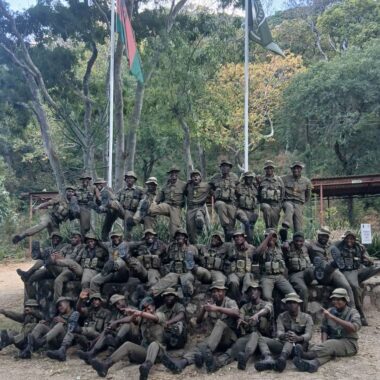
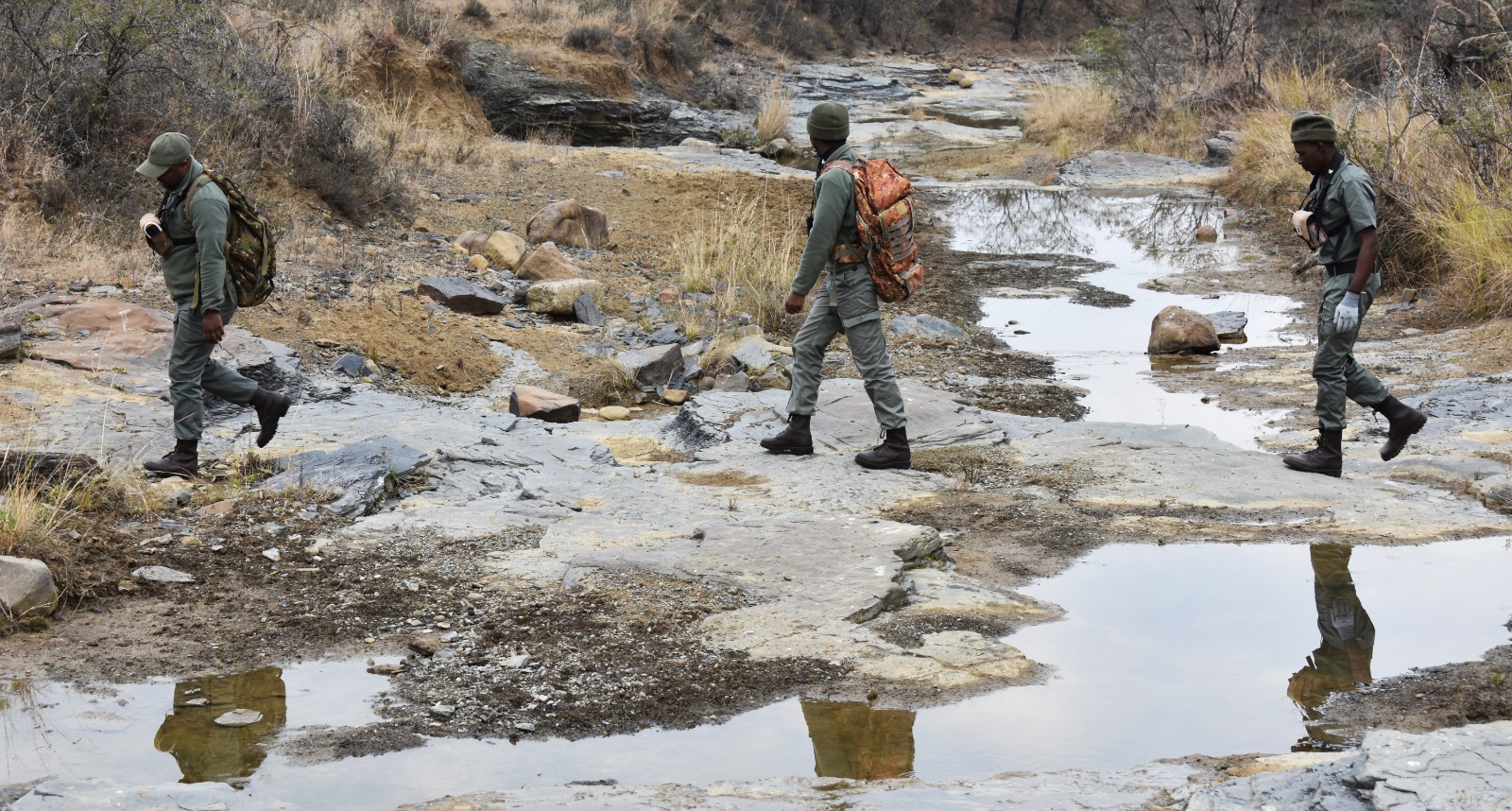
Even with all that happening, much of conservation comes down to routine. UmPhafa’s 12 field rangers spend their days on foot, checking fence lines, monitoring wildlife and watching for signs of illegal activity. During the second quarter of this year alone, they covered more than 4,500 kilometres on patrol.
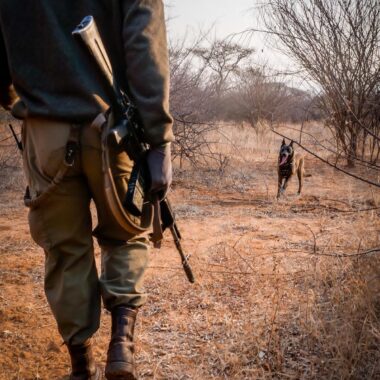
The reserve’s biggest challenge isn’t snares. Instead, the reserve faces persistent dog poaching, with organised hunting parties entering the reserve using dogs to pursue wildlife. Rangers patrol known hotspots during both the day and night, supported by vehicle patrols and thermal drones that have transformed their ability to detect intruders after dark.
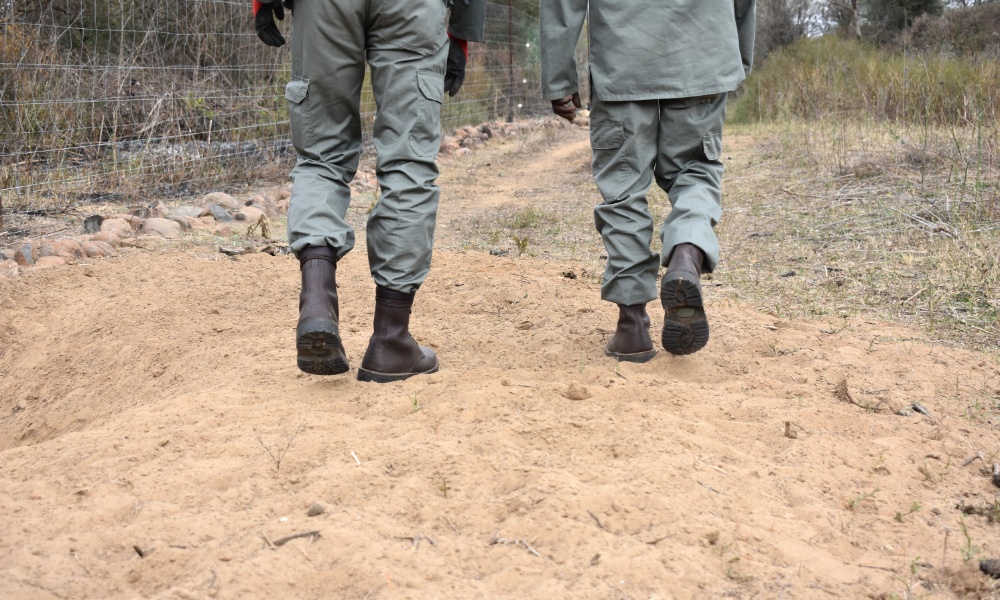
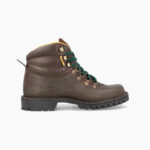
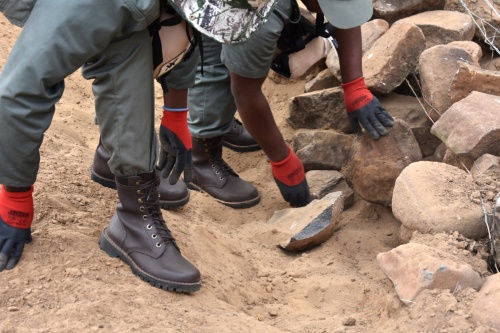
Good equipment, especially good boots play a vital role on patrols. Every day consists of hours of walking steep hills, thick bush and rugged terrain while inspecting fences and responding to threats across the reserve.
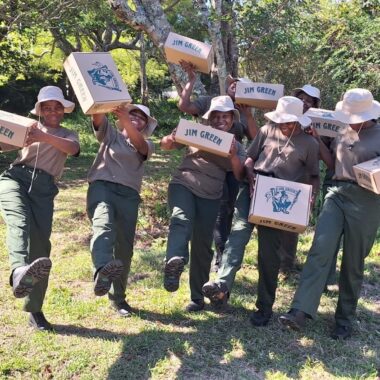
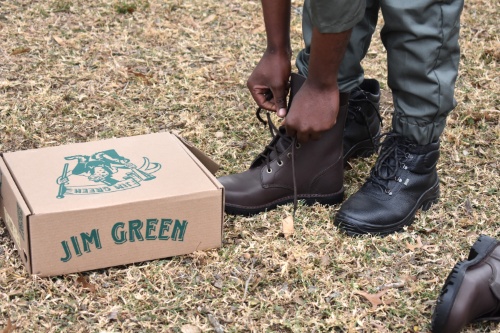
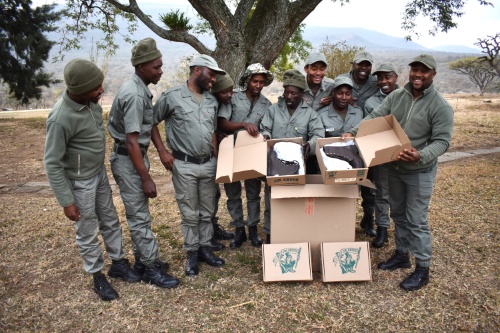
Through the Boots for Rangers Initiative, Jim Green and the Game Rangers Association of Africa have helped equip UmPhafa’s field team with boots built for exactly those conditions, giving them one less thing to worry about as they cover thousands of kilometres each year.
Amanda hopes the reserve will continue growing its role within conservation over the coming years. More species are planned, additional technology will strengthen ranger operations, and she wants UmPhafa to become a place other conservation organisations turn to for support and expertise.
One challenge sits beyond the reserve fence. Many of the poaching pressures originate in neighbouring communities, and Amanda believes building stronger relationships there will be one of UmPhafa’s most important priorities over the next five years. “We’re trying to work seamlessly with the community,” she says.
Like restoring a landscape, work is measured over years rather than months. Every patrol, every intern who leaves with new skills and every species successfully reintroduced is another step in that process.
Cheers,
The Jim Green Team
Through our Boots for Rangers initiative, run in partnership with the Game Rangers Association of Africa, we donate one pair of boots to a ranger for every ten pairs sold from our Ranger range. These boots support conservation teams at sites across Africa, with over 10 000 pairs already on the ground. As of 01/08/2026