Five years ago, spotting a duiker on the land that is now Babanango Game Reserve was enough to get excited. “There wasn’t even a fence,” recalls Chris Galliers of Conservation Outcomes. “If you saw a duiker crossing the road, it meant wildlife was still hanging on.”
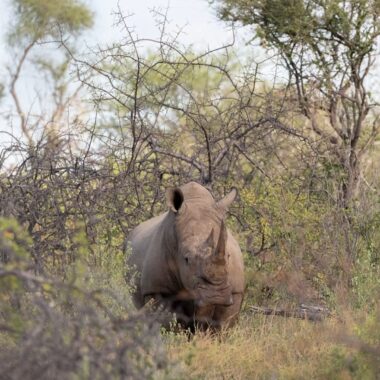
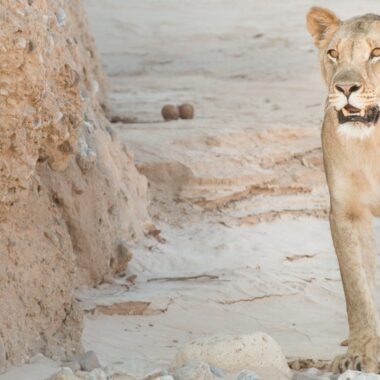
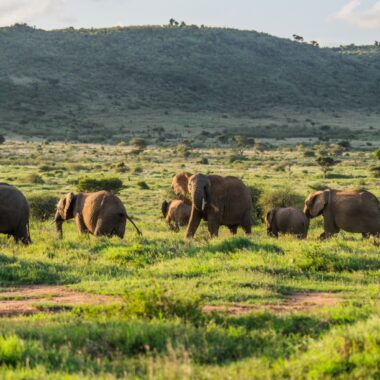
Today, elephants walk across those same plains. Lions have returned. Rhinos, buffalo and other iconic species once again roam a landscape that, until recently, was dominated by cattle grazing, poaching and uncontrolled fires.
Babanango, in northern KwaZulu-Natal, has become one of South Africa’s largest recent rewilding projects. Bringing it back to life has involved far more than reintroducing wildlife.
The reserve began with an idea from the Emcakwini Community Trust, which wanted to protect both the area’s biodiversity and a culturally significant site containing ancestral graves. Years later, with support from Conservation Outcomes and philanthropic investors Hellmuth and Barbara Weisser, that vision became reality.
Before wildlife could return, the landscape needed a chance to recover after years of overgrazing had left vegetation under pressure. Uncontrolled fires, poaching and prolonged drought had taken their toll, while invasive black wattle had spread across sensitive grasslands and important water catchments. Around 80 kilometres of electrified fencing were erected, cattle were gradually removed, and the land was allowed to breathe again. As the drought broke, grasses recovered, habitats improved and animals were reintroduced carefully, with stocking densities increasing over time.
The return of the Big Five was among the most significant milestones. “The return of the lions in this area is one of the big milestones for this place,” says Babanango Security Manager Lindani Buthelezi, who joined the reserve in 2024. “To have this area as a Big Five reserve is also a big thing.”
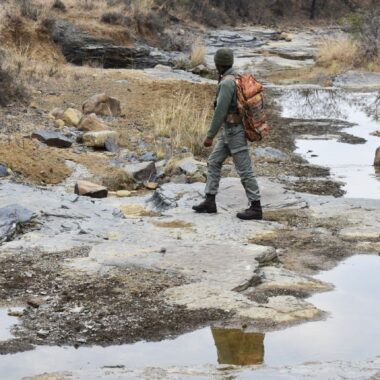
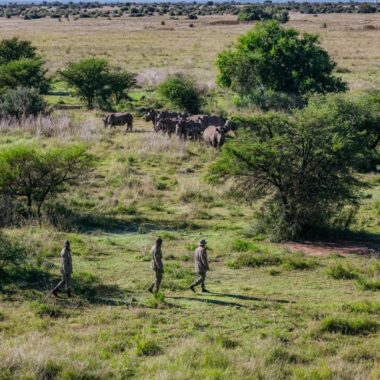
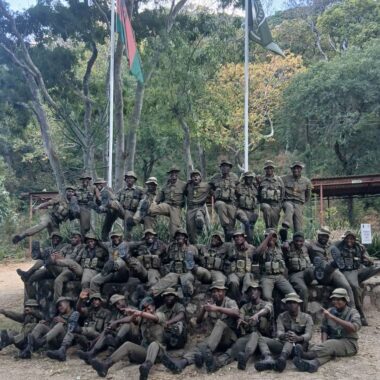
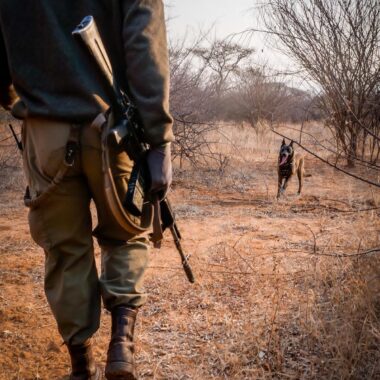
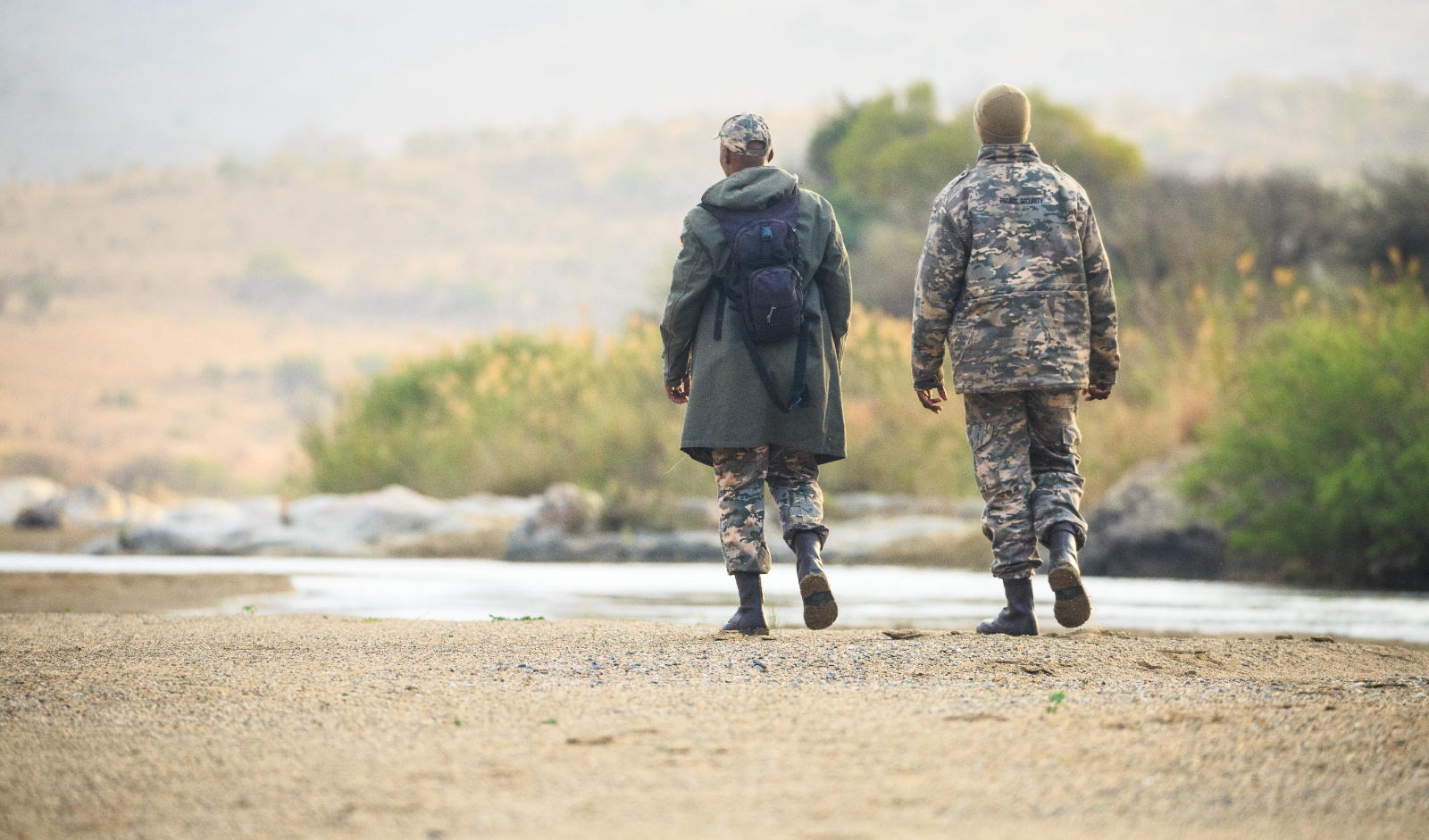
Keeping the animals safe falls to Lindani and his team of rangers. Every week begins with patrol planning. Rangers are deployed on foot and by vehicle across the reserve, while night patrols shift according to the phases of the moon and intelligence gathered by the conservation team. Rhino poaching remains one of their biggest concerns, alongside illegal dog hunting and the protection of newly expanded sections of the reserve. Cases don’t end with an arrest either. Lindani regularly follows investigations through the courts, working with prosecutors to ensure environmental crimes are treated with the seriousness they deserve.
The reserve itself adds another challenge. “Babanango’s terrain is tough,” says Lindani. “It’s up, it’s down.” Steep hills, rocky valleys and river systems test both the rangers and their vehicles. “You think you’re fit,” he says with a laugh, “but you actually are not.”
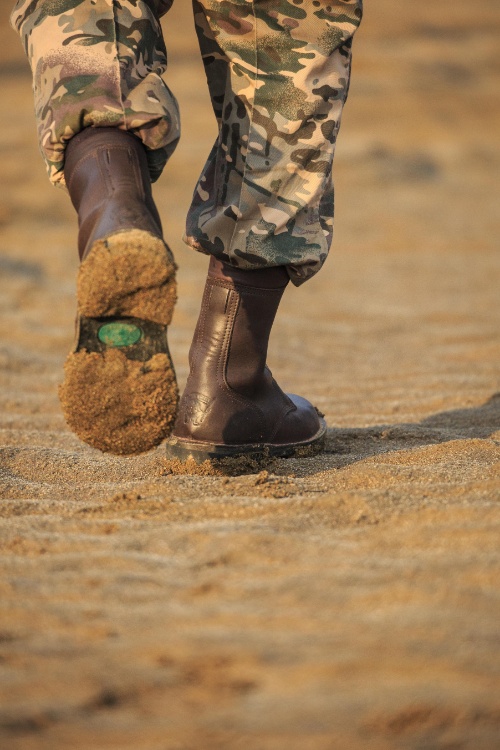
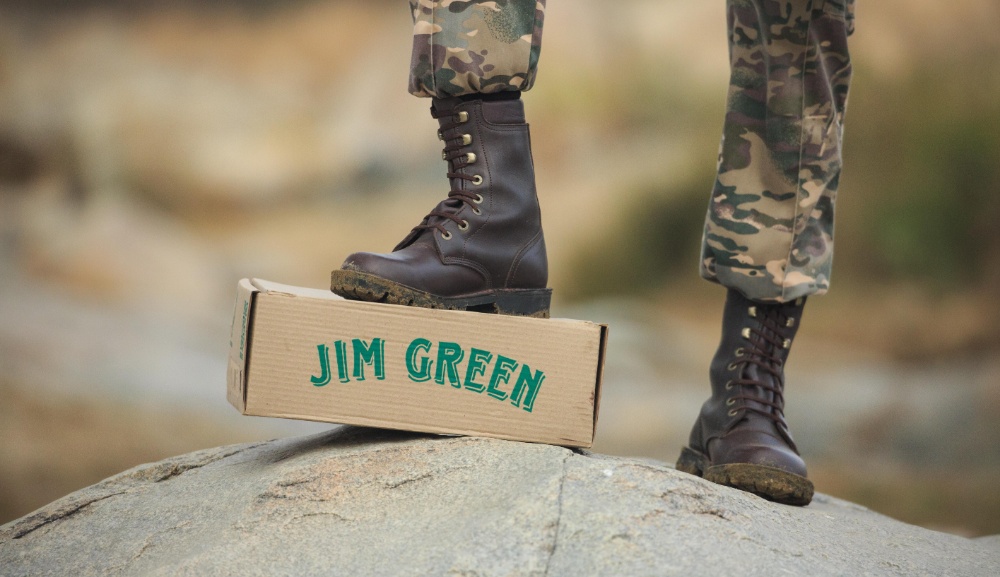
Equipment plays a big part. “For us to be able to provide proper boots, uniforms and equipment, it helps a lot,” Lindani says. “It picks up the morale of the team.”
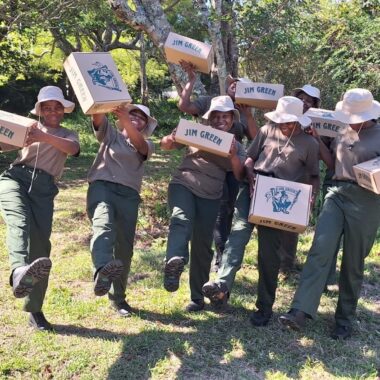
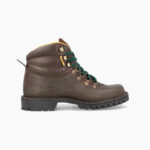
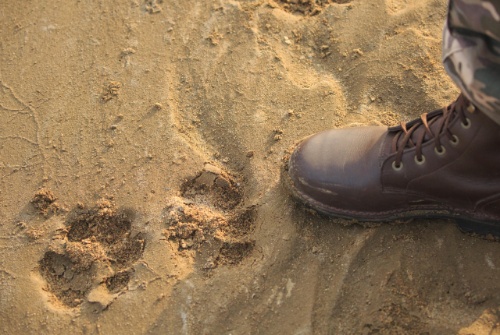
Through the Boots for Rangers Initiative, Jim Green has helped equip Babanango’s rangers with boots built for the demanding terrain they cover every day. It’s one less expense for a reserve that balances conservation, security, and community development. “When you’re working for an organisation that is stretched with budgets, just being able to minus those few rands from the uniform budget goes a long way,” Lindani says. “Your guys got everything from top to bottom, and they also got a new pair of boots. We really appreciate it.”
Babanango now employs more people than the agricultural activities that once occupied the land, creating jobs across conservation, tourism, hospitality and reserve operations. Chris hopes it can also serve as a model for other community-owned conservation projects, showing that healthy ecosystems can support healthy local economies.
“I remember driving down the road and looking across at a herd of elephants,” he says. “I had to pinch myself. What was once cows in the road had now transformed into elephants.” he says about the transformation that has taken place.
“It’s like we’ve turned back the hands of time.”
Cheers,
The Jim Green Team
Through our Boots for Rangers initiative, run in partnership with the Game Rangers Association of Africa, we donate one pair of boots to a ranger for every ten pairs sold from our Ranger range. These boots support conservation teams at sites across Africa, with over 10 000 pairs already on the ground. As of 01/08/2026