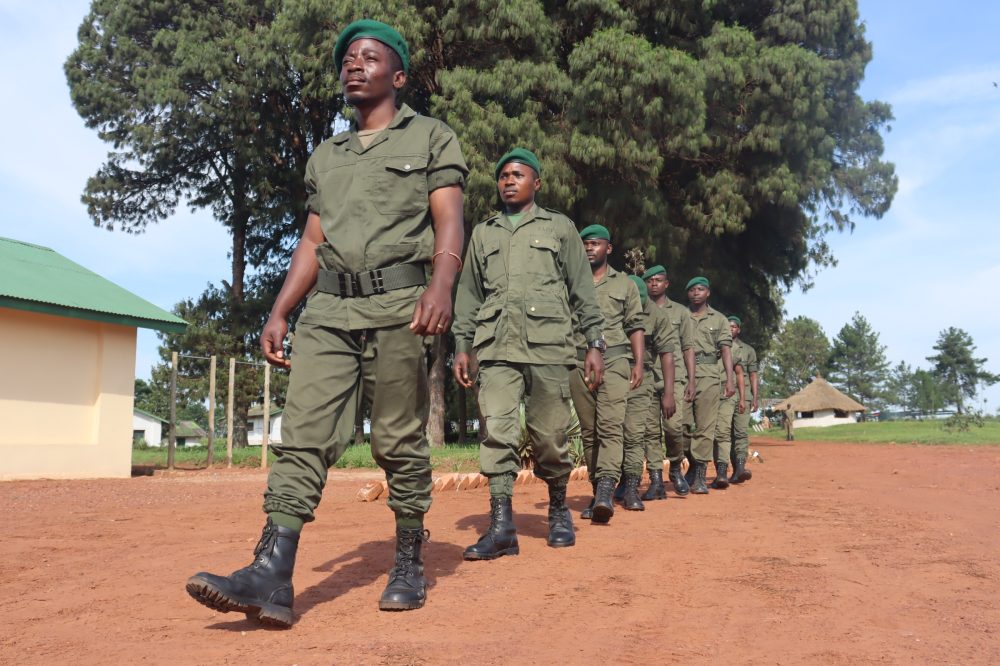
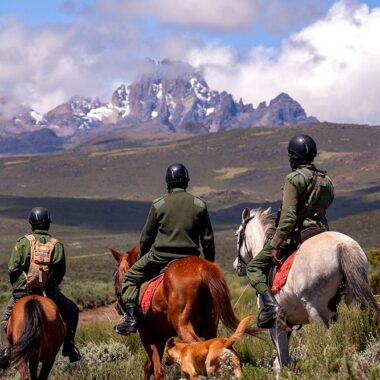
Each morning, before the sun burns through the mist rising off Lake Upemba, rangers gather in formation at the HQ of Lusinga and the Upemba National Park’s substation. They salute the flag, receive their orders, and set off into a landscape few outsiders have ever walked. Their job is to protect one of Africa’s oldest and most embattled national parks, where conservation is not a career, but a daily act of endurance. In the southeast of the Democratic Republic of Congo, Upemba spans more than 13,000 square kilometres of lakes, wetlands, and dry savannah.
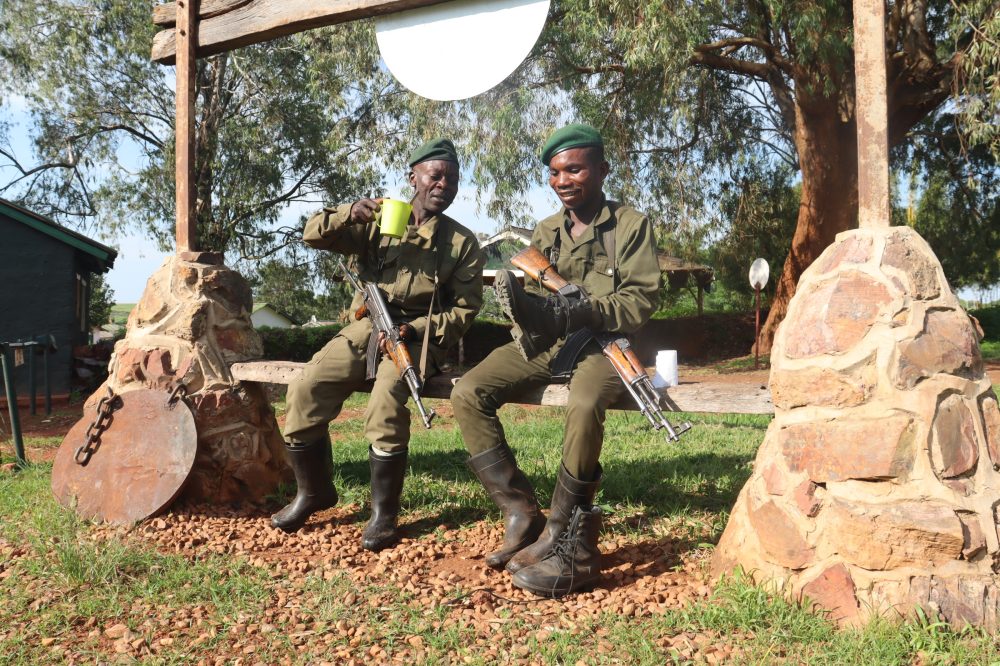
For years, armed groups occupied parts of the park, exploiting wildlife and natural resources. Though that era has largely passed, its effects still echo. “Sometimes, the same people who were once part of militias are now poachers,” says Antonio Longangi. “When instability spreads, so does poaching. They’re connected.” In 2017, Forgotten Parks and ICCN signed a partnership to rebuild the park from the ground up. “Our goal is to turn the park into a green engine for development,” Antonio explains.
Part of that opportunity comes through practical improvements. The park recently built a small solar installation to support operations. “It’s modest,” Antonio says, “but it brings hope.” Another major focus is community livelihoods. Upemba has launched an Agri-Food Programme to help farmers improve production on existing land. Even infrastructure far beyond the park has shaped Upemba’s future, with road rehabilitation shortening travel time to the park headquarters by several hours, though improved access also increases pressure.
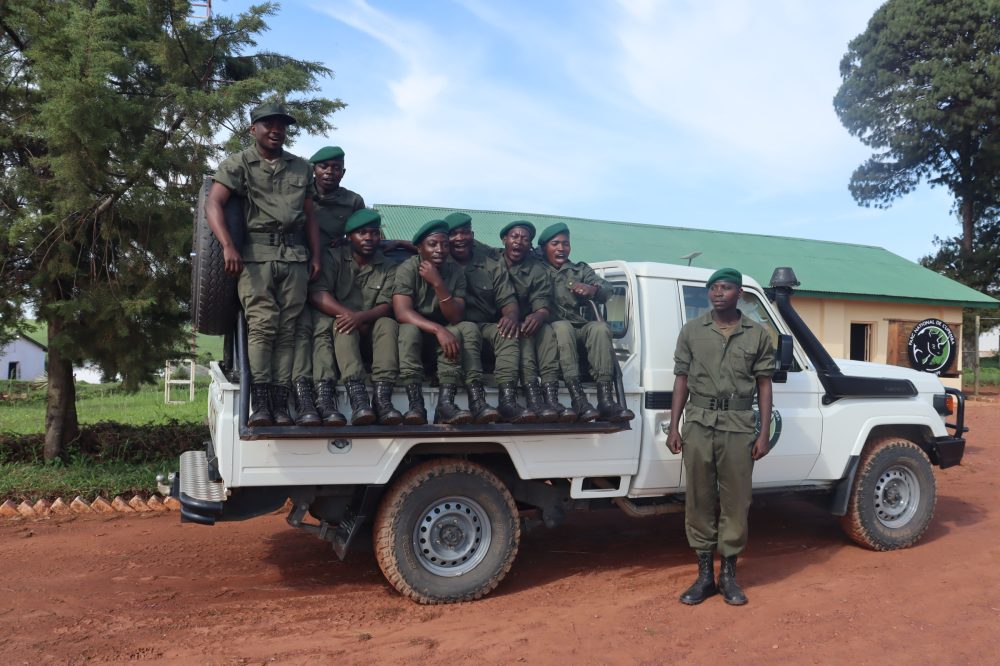
Despite everything, wildlife is returning. In 2016, Upemba’s zebra population had dropped to just 35. Today, there are over 197 of the last wild zebras in the Congo. “We have enough evidence—tracks, photos, sightings—to confirm their presence where they were once thought to be gone,” Antonio clarifies. But conservation here isn’t just about animals. “If you don’t help the communities, you’ll never protect the park,” Antonio says. “People need to live.”
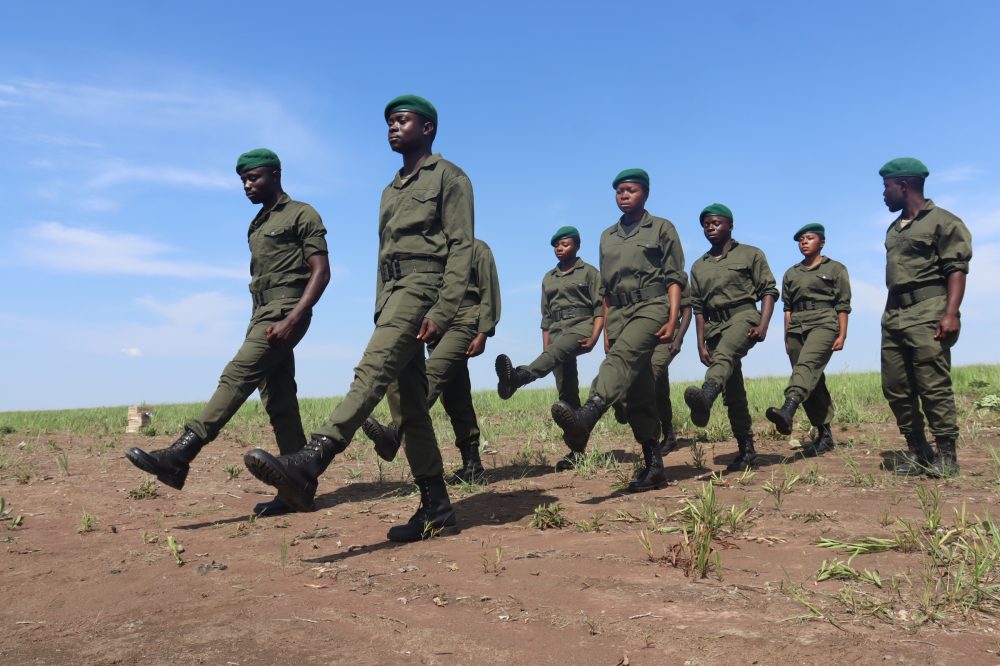
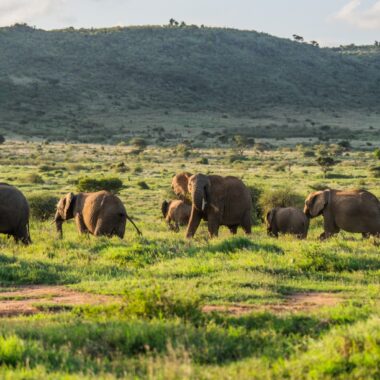
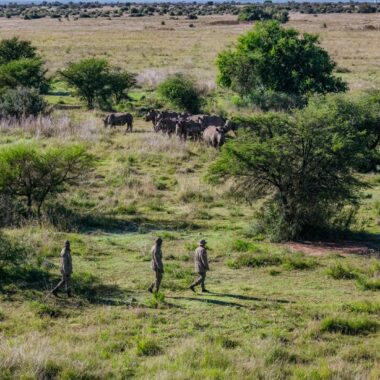
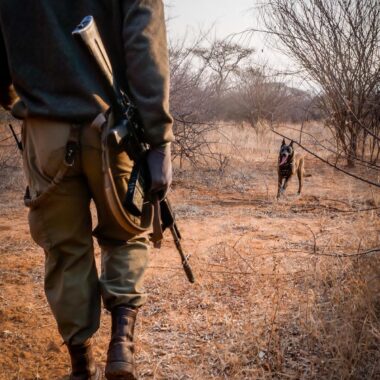
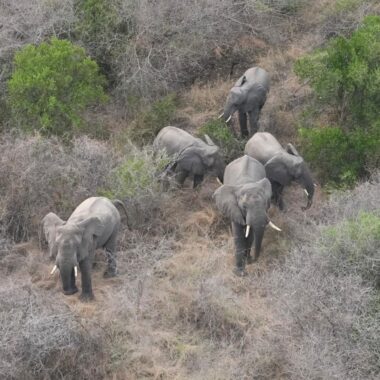
Upemba is working with communities far beyond its boundaries affected by elephant movements. The aim is to protect the last remaining elephant landscape of Greater Katanga. By collecting data from GPS-collared elephants, they can map corridors accurately. This is all part of a slow, deliberate act of rebuilding. Through it all, the rangers remain the heartbeat of Upemba. They walk for days through swamp and grassland, sometimes under threat of gunfire.
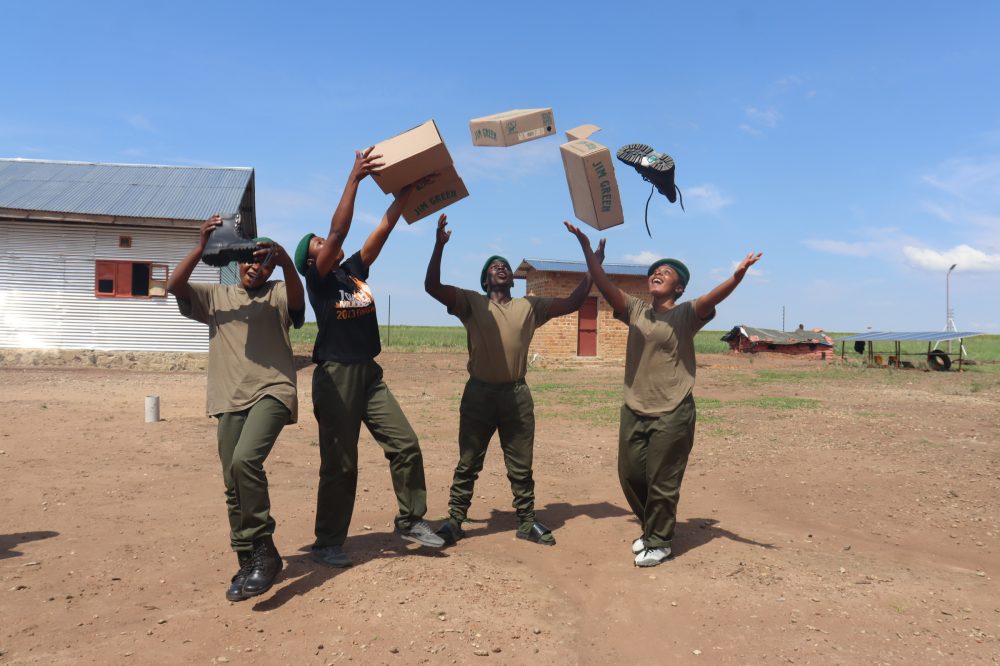
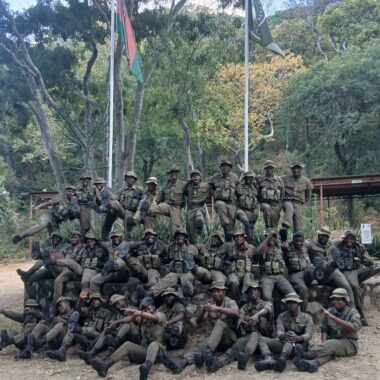
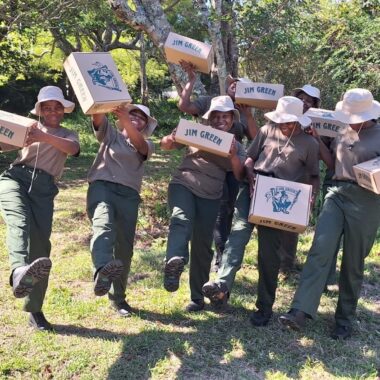
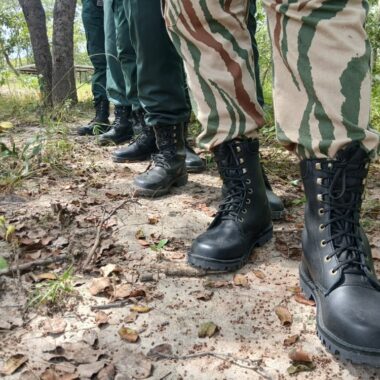
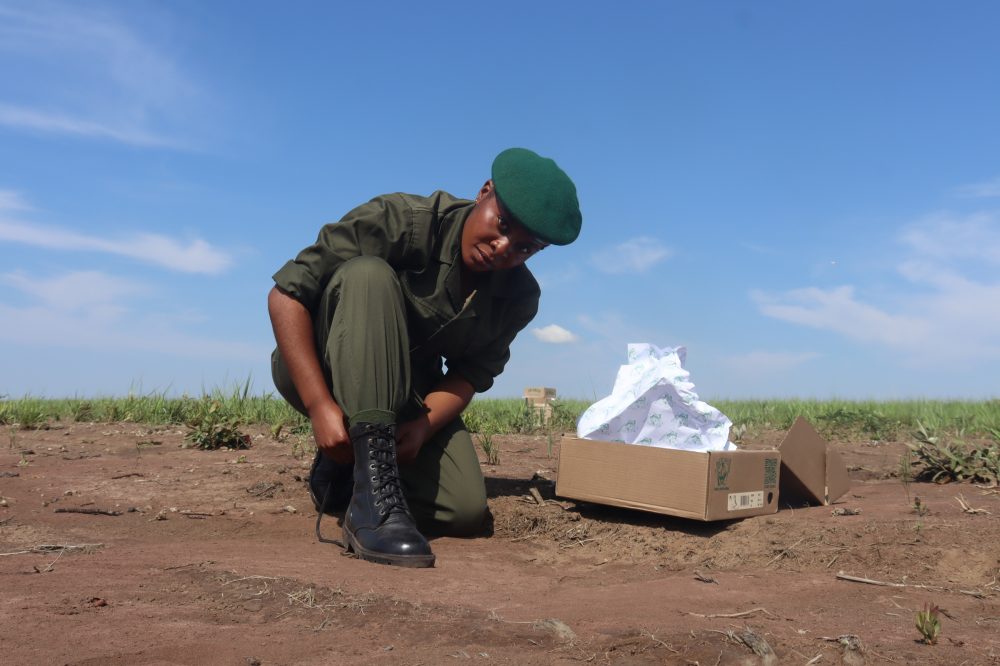
“They’re proud,” Antonio says. That pride shows in the 280 pairs of Jim Green AR8 boots the rangers received. “Before, some of the rangers wore gumboots or old army shoes that fell apart after a few weeks,” Antonio says. “Now they have something reliable.” In a country where everything can break, these rangers keep moving. In Upemba, conservation isn’t a luxury. It’s courage. It’s defiance.
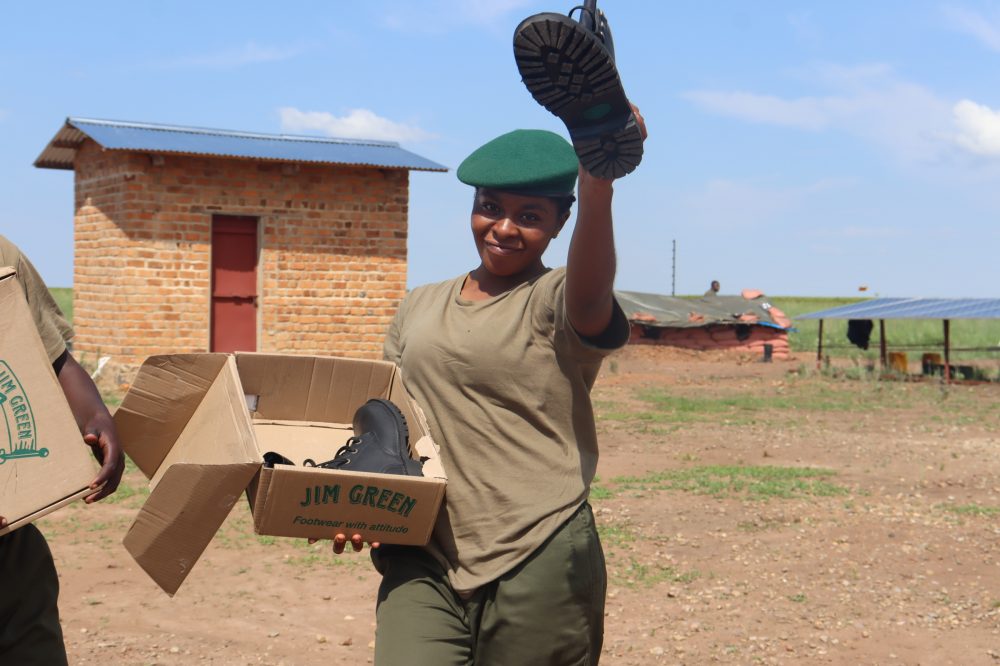
Through our Boots for Rangers initiative, run in partnership with the Game Rangers Association of Africa, we donate one pair of boots to a ranger for every ten pairs sold from our Ranger range. These boots are now supporting conservation teams at sites across Africa, with over 6,000 pairs already on the ground.
Cheers,
The Jim Green Team